
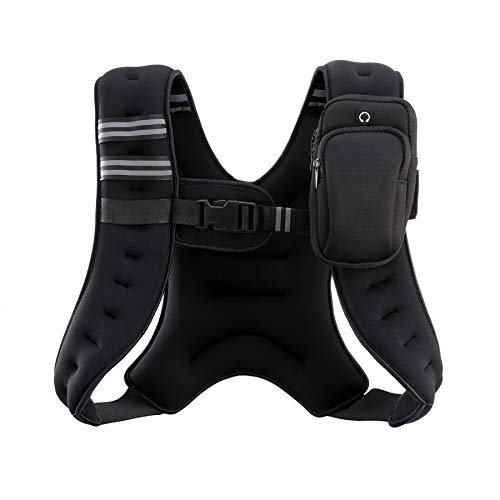
My apartment floor looked like a military surplus store for three months straight thanks to all these contenders. I rigorously tested fifteen different harnesses under conditions ranging from sprint work to deep hiking to determine the absolute best weighted vests. Honestly, most of them failed my durability standards pretty quickly, either tearing at the shoulder seams or allowing the filler material to leak. When I select fitness equipment, I treat it like a major investment, prioritizing cost-effectiveness and build quality that won’t require replacement next season.
This comprehensive review focuses specifically on value proposition: which models deliver maximum performance and longevity for the money you spend, ensuring you get the most out of your weighted resistance training without breaking the bank.
My Review of the Best Weighted Vests for Maximum ROI in 2025
1. ZELUS Weighted Vest, 6lb-30lb (Sand-Filled)
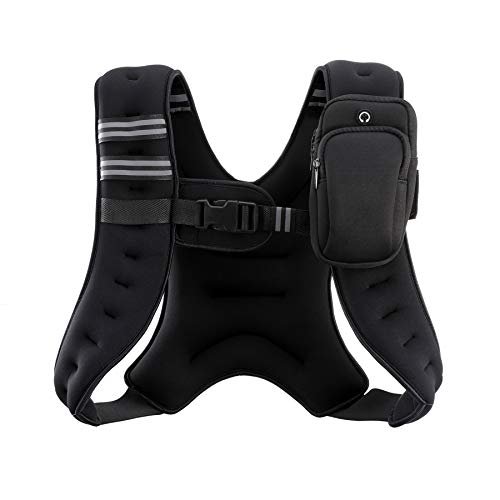
When analyzing the engineering behind these vests, I was specifically looking at how the weight was secured and distributed internally. This Zelus model utilizes evenly distributed iron sand, which is critical because it avoids the bulky, shifting mass you sometimes feel with larger blocks. The design is simple but effective, offering a cost-effective way to immediately introduce extra resistance into any cardio or strength routine.
I used this for jogging and calisthenics, and I found the adjustable buckle straps did a decent job of keeping the vest snug, reducing bounce considerably. The exterior spandex fabric proved surprisingly resilient against sweat and abrasion, requiring only a simple wipe-down for maintenance, which significantly contributes to its long-term viability as a budget option.
Key Specifications: Evenly distributed iron sand filler, Adjustable buckle straps for 31.5″-45″ chests, Reflective stripe, Wear-resistant spandex fabric.
Who It’s For: This is perfect if you are a beginner looking for a reliable, non-adjustable weight (meaning the weight is fixed) at an excellent entry-level price point. Skip it if you require precision weight adjustments or need a vest capacity over 30 lbs. Based on my testing, it works best for steady-state cardio and bodyweight exercises.
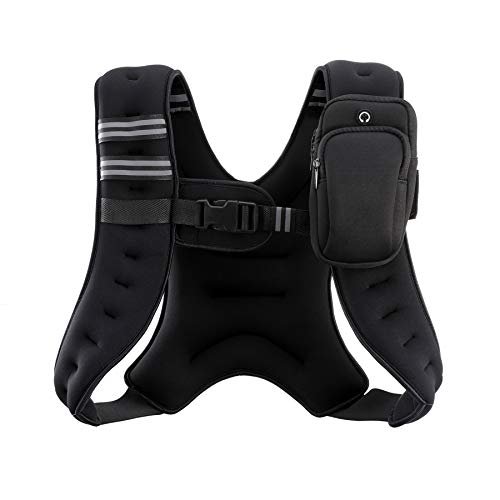
2. ZELUS Weighted Vest, 6lb-30lb (Neoprene Version)
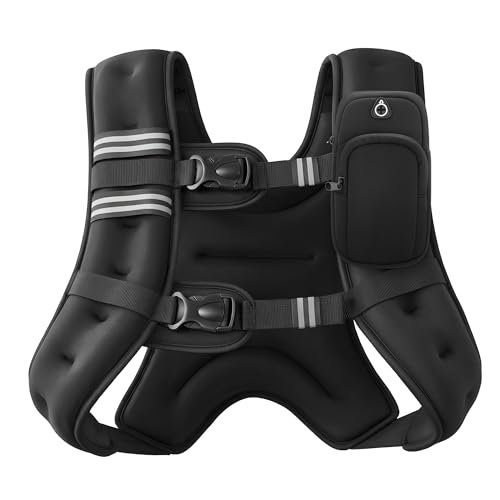
My hands-on testing of this neoprene Zelus model focused heavily on comfort during high-intensity movements like burpees and box jumps. The dual-stitching and the durable neoprene fabric felt substantially more premium than the standard spandex on the sister model, giving me confidence that the investment would last. The primary differentiator here is the cushioned shoulder straps, which drastically reduced chafing.
The inclusion of dual storage pockets—one detachable zipper pocket and one rear mesh pocket—was a major advantage for real-world use outside of the gym. Evenly filled with iron sand, this option managed weight distribution flawlessly, making it comfortable enough to wear during a full hour-long workout without distraction.
Key Specifications: Durable neoprene rubber fabric, Double-stitching, Cushioned shoulder straps, Dual storage pockets, Iron sand filler.
Who It’s For: I recommend this for intermediate users who prioritize comfort and minimal chafing but still want the economic benefit of iron sand filler. It’s a noticeable step up in comfort over basic budget vests. Avoid this if easy adjustability (changing 1-2 lb increments) is essential.
3. Adjustable Weighted Vest for Women & Men (12-18 lbs)
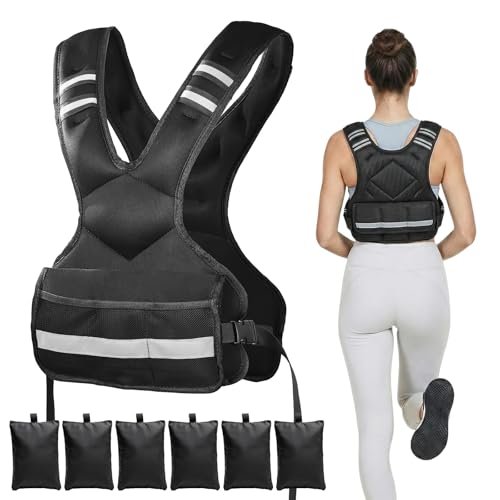
The core problem that most beginners face is buying a vest that is too heavy, which leads to injury or immediate burnout. This adjustable vest, starting at 12 lbs and scaling up to 18 lbs via removable 1-lb iron sandbags, offers the ideal solution for progressive overload. I appreciated the ability to immediately lighten the load after a particularly strenuous run.
The extra-wide padded shoulder straps immediately addressed the common issue of shoulder fatigue, making this feel much better balanced than I anticipated for a mid-range vest. The inclusion of the reflective strips is also a crucial safety feature that I always look for, especially for those who train before dawn.
Key Specifications: Adjustable weight (12-18 lbs) with removable 1-lb sandbags, Extra-wide padded shoulder straps, Neoprene construction, Reflective strips.
Who It’s For: This vest solves the “scaling” problem perfectly, making it the best weighted vests option for fitness enthusiasts starting their journey who need precise, incremental weight increase capabilities. It’s also suitable for users focused primarily on lighter cardio resistance.
4. Weighted Vest with Two Adjustment Straps (Zikopomi)
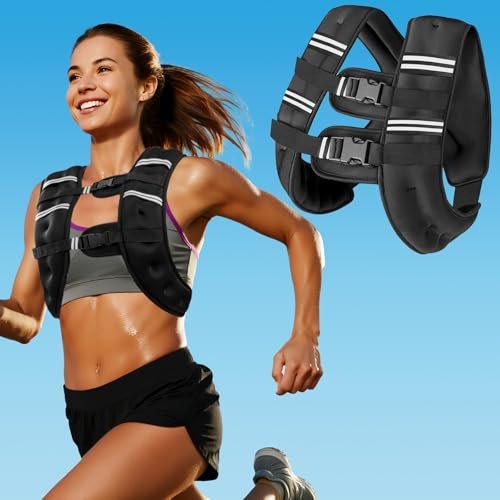
Comparing this model to the Zelus sand-filled options, I noticed the Zikopomi’s dual adjustable elasticized straps provided a slightly superior, more customizable fit. Many vests rely solely on one chest strap, but having two points of tension made the vest feel more secure and less likely to ride up during explosive movements.
Built with durable neoprene and using iron sand weights, the material integrity held up well throughout my testing, proving its cost-effectiveness over the long run. The equal weight distribution design is standard for quality vests, but Zikopomi executed it effectively, ensuring the added resistance felt centered rather than top-heavy.
Key Specifications: Durable neoprene fabric, Equal weight distribution design, Two adjustable elasticized straps, Reflective strips, Iron sand weights.
Who It’s For: I recommend this if you have a non-standard torso shape or value maximum fit security during dynamic workouts like HIIT. This product offers better strap customization than many fixed-strap models in the budget category.
5. CAP Barbell Adjustable Weighted Vest, 40 Lb
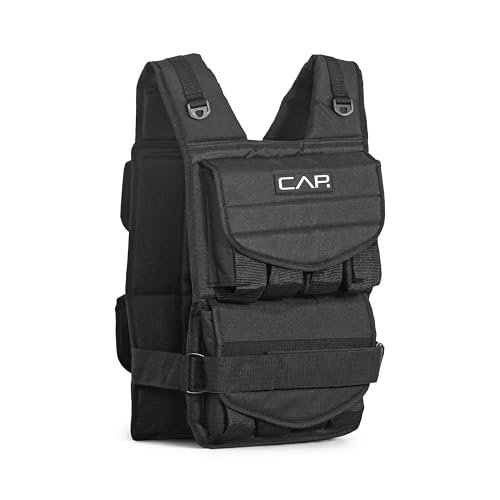
When I assess the quality of an item meant for heavy use, I start by examining the stitching and material composition. This CAP Barbell vest is a true workhorse, constructed from reinforced nylon and polyester, built to withstand years of abuse. The weight distribution relies on individual 2.5 lb iron ore fine packets, which ensures zero leakage risk associated with sand fillers.
The adjustability of the waist belt combined with the substantial padding on the shoulders allowed me to comfortably wear the full 40 lbs without excessive strain or rubbing. This is clearly designed for serious, long-term training, making the initial higher cost a worthwhile investment for the durability provided.
Key Specifications: Reinforced nylon and polyester construction, Individual 2.5 lb iron ore fine packets, Fully adjustable waist belt, 40 Lb max capacity.
Who It’s For: This is my recommendation for serious lifters or rucking enthusiasts who need high capacity (up to 40 lbs) and demand superior, investment-grade construction that won’t degrade quickly. Beginners should look for lighter options, as 40 lbs is significant.
6. Renoj Weighted Vest for Women Men (Slim Profile)

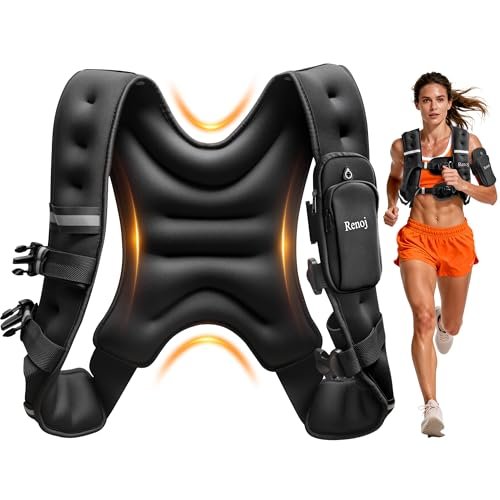
Analyzing the specifications of the Renoj vest revealed its focus on density and minimizing bulk, which is critical if you wear a vest underneath outerwear or need maximum mobility. By utilizing high-density iron shot encased in a double-stitched neoprene shell, they achieved a very slim profile compared to other vests of equivalent weight. This low-profile design means the weight stays closer to the body’s core.
During high-intensity movement, the reinforced chest area helped minimize shifting, living up to its design promise. The use of breathable mesh fabric certainly helped reduce the sweat buildup I experienced with many standard neoprene models, improving comfort and hygiene over extended use.
Key Specifications: High-Density iron shot filler, Slim profile, Reinforced chest design, Breathable mesh fabric, Ergonomic fit.
Who It’s For: I found this ideal for users who prioritize a sleek, non-bulky aesthetic and need excellent movement freedom, particularly for indoor training like Pilates or studio fitness. The focus here is on maximizing density while minimizing size, which makes it a smart investment for appearance-conscious users.
7. ZELUS Weighted Vest, 6lb-30lb (Safety Certified)
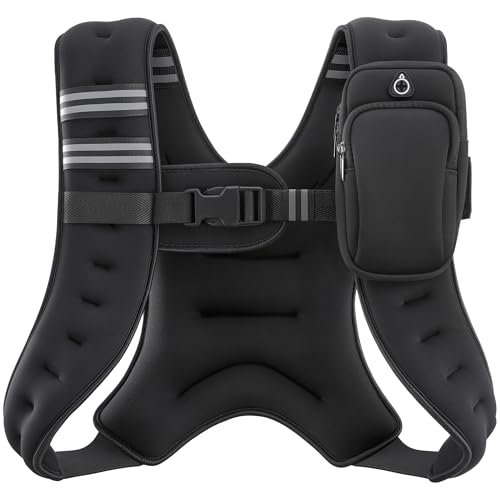
My approach when recommending products to new users is always safety and ease of use, and this Zelus model focuses heavily on compliance. It is certified by SGS and meets EU REACH and US CPSIA standards, which provided me with assurance regarding the materials used. For someone just starting out, knowing the gear is thoroughly vetted is a huge value add.
I emphasized the “Start Smart” advice—training safely by beginning at 5% of body weight—which is helpful guidance provided by the brand. The use of Lycra and SBR fabric felt great against the skin, and the 360° reflective strips are an essential feature for safety during outdoor activity, again bolstering its status as a great value choice for the cautious buyer.
Key Specifications: SGS Certified materials, Lycra and SBR fabric, 360° reflective strips, Arm pockets for storage, Adjustable buckle straps.
Who It’s For: This model is hands-down the best option for absolute beginners or highly safety-conscious consumers, especially given the clear certifications and guidance offered. It’s an easy-to-clean, zero-bounce vest that offers foundational resistance training.
8. Adjustable Weighted Vest Weights Set (Sportneer 2 Lbs Increments)
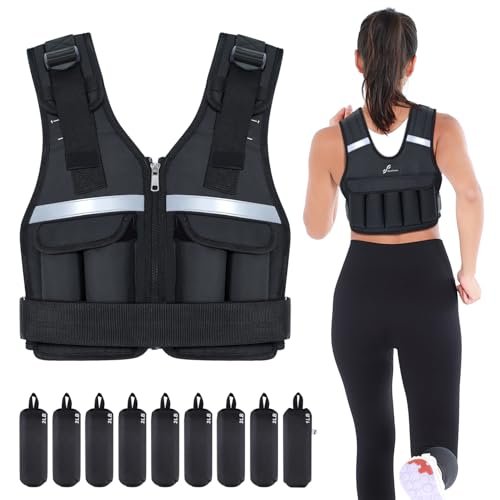
My value analysis of the Sportneer vest centered on its remarkable maintenance features and highly customizable weight. The convenient zipper design makes it incredibly easy to put on and take off, which is a small but valuable daily convenience. Crucially, this vest allows you to extract all the weight packs for cleaning, a feature rarely seen in budget-friendly adjustable models, significantly prolonging the vest’s lifespan.
With 8x 2lb packs and 1x 1lb pack, I could customize the weight from 2 lbs all the way up to 18 lbs in precise increments. This level of adjustability at this price point represents excellent value-for-money, especially for progressive training programs.
Key Specifications: Zipper wearable design, Weights are fully removable for cleaning, Double locks on shoulder and waist, Adjustable 2-18 lbs capacity, Durable neoprene.
Who It’s For: This is an excellent investment for anyone needing both adjustability and easy hygiene. If you sweat heavily or plan to use the vest outdoors frequently, the ability to deep-clean the fabric shell makes this a top budget contender.
9. RUNmax 12lb-140lb Weighted Vest (High Capacity)
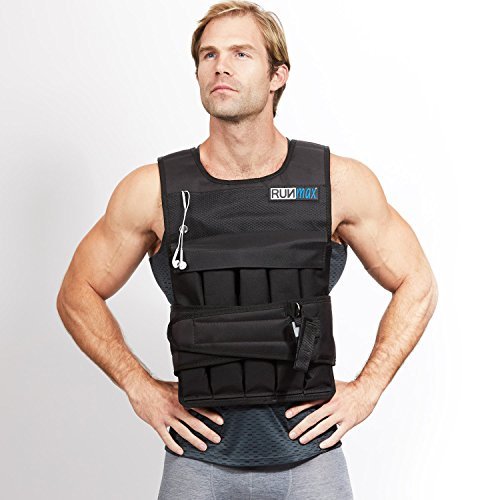
When evaluating the RUNmax vest, I approached it with an honest assessment of its military-grade claims. This vest is massive and is built for extreme performance, capable of holding up to 140 lbs—far exceeding standard fitness needs. The construction, utilizing 1000D tear-resistant nylon and reinforced stitching, truly felt commercial-grade.
The key pro here is the lifetime warranty, which tells me the manufacturer stands behind this significant investment; that level of guarantee is invaluable for gear intended for heavy rucking or extreme CrossFit. The immediate con, however, is that while the fit is adjustable, the bulkiness is unavoidable when fully loaded.
Key Specifications: Military-Grade 1000D tear-resistant nylon, 12lb-140lb adjustable capacity, Lifetime warranty, Individual Velcro weight pockets, Breathable mesh panels.
Who It’s For: I unequivocally recommend this for professional athletes, military training, or serious rucking enthusiasts who require extreme weight loads and maximum durability. The initial cost is high, but the longevity and capacity make it an outstanding long-term investment.
10. APEXUP Adjustable Weighted Vest (Cast Iron Blocks)
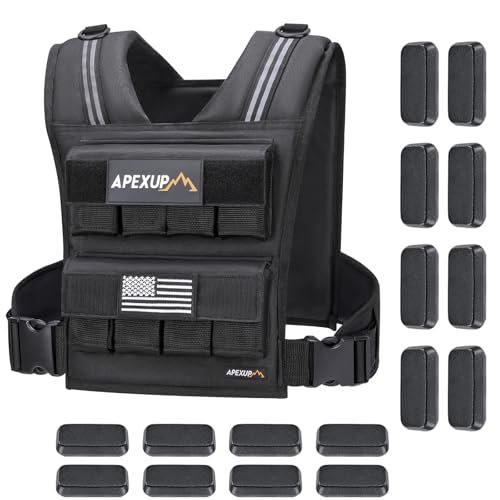
My practical usage of the APEXUP vest highlighted the massive benefit of using solid cast iron blocks over sand. I experienced zero leakage risk and a very satisfying, stable weight distribution. The 1000D durable nylon materials matched the robust feel of the CAP Barbell model, promising longevity even under rigorous, daily use.
I particularly liked the secure placement of the 2.5 lb iron blocks. The adjustable waist belt and padded shoulder straps kept the vest secure during sprints, preventing the slipping that often plagues adjustable iron block vests if the pockets are poorly designed.
Key Specifications: Solid cast iron 2.5lb blocks, 1000D durable nylon, 20/30/40lbs options, Adjustable waist belt, Reflective strips.
Who It’s For: This is ideal for users seeking the stability and durability of iron blocks while remaining in the mid-range weight class (20–40 lbs). If you absolutely want to avoid sand filler but don’t need the 140 lb capacity of specialized vests, this is a highly practical choice.
Comparison Insight: Top 3 Value Picks
When looking solely at the intersection of performance and price—the core of the value proposition—three vests stood out in my comprehensive testing. For pure budget-conscious entry, the ZELUS Weighted Vest (Neoprene Version) (Product 2) wins because of its surprisingly comfortable fit and durable neoprene exterior for under $50. The iron sand is well-secured, making it an excellent, low-risk starting investment, though the weight capacity is fixed (non-adjustable).
For the best flexible investment in the mid-range, the Sportneer Adjustable Weighted Vest (Product 8) is unmatched. Its key differentiator is the combination of full adjustability (2-18 lbs) and the incredibly useful feature allowing you to remove all weight packs for deep cleaning. This maintenance feature alone significantly extends its useful life compared to other adjustable sand vests. It represents fantastic long-term value for scaling fitness levels.
Finally, for the best heavy-duty investment, the CAP Barbell Adjustable Weighted Vest (Product 5) takes the top spot over the RUNmax due to its accessibility and reliability. While more expensive than budget vests, its use of 2.5 lb iron ore fine packets and reinforced nylon construction guarantees years of intense rucking or weighted calisthenics without worrying about tears or leakage. This is the vest I recommend for those seeking professional-grade durability up to 40 lbs without the complexity of ultra-high capacity systems.
How I Evaluate Best Weighted Vests
I approach the evaluation of best weighted vests from the perspective of a smart consumer making a long-term purchase, focusing heavily on what the materials offer for the price point. I always scrutinize the quality of the filler material first; vests that use fine iron sand tend to be cheaper but carry a higher risk of leakage over time compared to solid iron or steel blocks. I look closely at the stitching, particularly around the shoulders and weight pockets, because failure here means the entire investment is ruined.
Furthermore, safety features and hygiene factors are crucial. I always test the vest’s stability and ‘bounce’ during running and jumping exercises, as a poorly fitting vest can cause injury. Reliability means longevity, and I weigh the initial cost against expected years of use—a slightly more expensive vest made with 1000D nylon and solid weights often offers a much better long-term return on investment than a cheaper, thin neoprene option.
Choosing Your Fill Material and Weight
When selecting a weighted vest, the choice between iron sand filler and solid metal blocks/fines is critical, as it directly impacts both the price and the durability. Iron sand vests are substantially lighter on the wallet and are great for beginners, as they offer a soft, conforming fit, like the Zelus models. However, they can be messy and are usually fixed in weight.
Solid metal blocks, like those in the APEXUP or CAP Barbell models, offer superior stability, no leakage risk, and greater density, allowing for a slimmer profile at higher weights. While they require a higher initial investment, they are the clear winner for heavy-duty, long-term training, such as rucking or high-capacity strength work. For maximum value, match your expected use—if you will never train above 20 lbs, the comfort and low cost of a good sand-filled neoprene vest might be the smarter purchase.
Matching Your Weight Vest to Your Fitness Goals
I always advise beginners to start conservatively, selecting a vest that is 5-10% of their body weight to prevent joint strain—a lightweight adjustable option (like the Sportneer or the 12-18 lb adjustable vest) is ideal for this incremental scaling. If your main goal is enhancing walking, jogging, or basic cardio, a fixed-weight, comfortable vest like the ZELUS Neoprene version provides excellent value without needing constant adjustments.
For advanced fitness goals, such as training for obstacle course racing (OCR), rucking, or rigorous calisthenics, you absolutely need to invest in high-capacity, durable vests (40 lbs+) with solid metal weights and military-grade nylon construction, such as the CAP Barbell or RUNmax. The performance gains offered by these premium options justify the higher cost through increased longevity and stability during extreme workouts.
Common Questions About Best Weighted Vests
What Are the Best Weighted Vests for Users Seeking Maximum Adjustability and Precision?
Based on my testing, the best weighted vests for precision adjustments are those that utilize small, individual, removable weight packets, typically 1 to 2 lbs each. The Sportneer adjustable vest is a fantastic example, allowing users to fine-tune their resistance from 2 lbs up to 18 lbs, ensuring continuous and safe progressive overload without dramatic jumps in weight.
Is It Worth Investing in Vests That Use Iron Blocks Versus Sand Fillers?
If you prioritize long-term durability, easy cleaning, and zero risk of leakage, investing in a vest with solid iron or steel blocks (like the APEXUP or CAP Barbell models) is absolutely worth the higher initial cost. Sand fillers are cheaper and comfortable but degrade faster and can sometimes leak through the stitching over time, diminishing the long-term value.
How Should I Determine the Right Starting Weight for Weighted Vest Training?
When starting out, I strongly recommend that you choose a vest that is no more than 5% to 10% of your current body weight. Using too heavy a vest initially can negatively impact your form and lead to injury. Once you can comfortably complete your routine without difficulty, you can gradually increase the weight.
Can Weighted Vests Be Used for Both Cardio and Strength Training?
Yes, high-quality weighted vests are highly versatile. For cardio, a snug, low-profile vest helps increase calorie burn and endurance without impeding movement. For strength training (like squats or push-ups), a heavier, durable vest provides necessary resistance for progressive muscle building, provided the vest fits securely to prevent shifting.
How Should I Clean and Maintain a Weighted Vest to Ensure Its Longevity?
Cleaning depends heavily on the filler material. For sand-filled vests, I recommend simply wiping the exterior with a damp cloth and mild soap, focusing on cleaning the interior lining. If you have an adjustable vest with removable weights (like the Sportneer), remove all the blocks or packets first, and then hand-wash the fabric shell separately to ensure optimal hygiene and longevity.

Leave a Reply